Buying a Used Mazda CX-5 from Japan: Trims, Checks, Costs and Caribbean Importing
The Mazda CX-5 has quietly become one of the smartest used SUVs you can put on a Caribbean road: tidy handling, real ground clearance and — in Japanese-market diesel form — enough torque to make a loaded hill climb feel easy. If you're shopping a used Mazda CX-5 for sale out of Japan, the difference between a good buy and a costly one usually comes down to three things: which trim it is, how it was driven, and how well you understand the import maths.
Why Japanese-market CX-5s fit the Caribbean so well
Japan drives on the left and builds right-hand-drive cars, matching Jamaica, Barbados, Trinidad & Tobago, The Bahamas, Antigua, St. Lucia, Grenada and most other Eastern Caribbean islands. That removes the biggest compromise of buying from elsewhere. Japanese used Mazda CX-5 stock also tends to come with documented mileage, auction inspection sheets and consistent servicing — a big reason so many regional buyers choose a Mazda CX-5 import from Japan over a locally traded car with patchy history.
What the Japanese trim badges mean
- 20S — 2.0-litre SkyActiv-G petrol, front- or all-wheel drive.
- 25S — 2.5-litre petrol: more power, more thirst.
- XD — the 2.2-litre SkyActiv-D turbo diesel, the economy and torque champion of the range.
- L Package, Proactive and similar suffixes — equipment tiers, not different engines. L Package generally sits above the base XD, adding comfort kit such as leather-trimmed seating and upgraded lighting.
- AWD versions use Mazda's i-Activ all-wheel drive — useful in the wet season and on unpaved driveways.
The diesel XD pairs with a six-speed torque-converter automatic rather than a CVT, which is a durability point in its favour, and returns mid-teens km per litre in mixed driving.
What to check on a used CX-5 diesel
- Paperwork first. Cross-check recorded mileage against the auction sheet, export certificate and service stamps.
- Rust underneath. Northern Japanese prefectures salt their roads. Check the rear subframe, sills, arches, suspension arms and tailgate seam rather than trusting shiny paint.
- DPF and EGR health. Short-trip city diesels can clog particulate filters. Ask about regeneration history and reject anything that smokes or hesitates.
- Cold starts. Listen for timing-chain rattle and watch for rough idling — injector and pump repairs are costly.
- AWD parts. Rear differential whine or transfer-case leaks should be priced in before you commit.
- Electrics. Push-button start, i-stop, infotainment and air-conditioning. Japanese radios tune a narrow FM band, so budget for a band expander or head-unit swap.
- Tyres and brakes. Larger alloys on higher trims cost more to replace; check all four tread depths.
Running costs to plan for
Diesel servicing tends to mean shorter intervals and low-SAPS oil, and a DPF-equipped car prefers regular longer runs over endless short trips. Fuel quality matters: modern common-rail diesels with particulate filters prefer low-sulphur diesel, so where local supplies run higher in sulphur, DPF and EGR parts can wear earlier. Petrol 20S and 25S models avoid that issue at the cost of fuel economy. Parts are generally straightforward — the SkyActiv family shares a lot across Mazda models — and insurance and licensing are usually banded by engine capacity and value, so a 2200 cc SUV sits higher than a small hatchback.
How importing to Jamaica and the Caribbean works
- Select and verify. Buy from a dealer or auction with an inspection sheet; confirm grade, mileage and accident history.
- Pay and export. The car is de-registered in Japan; you receive the export certificate, invoice and shipping documents.
- Ship. Most units leave Yokohama, Nagoya or Kobe by RoRo, typically four to six weeks to Kingston depending on routing and congestion. Container shipping is an option if you want extra protection.
- Clear customs. Jamaica and most neighbours assess duty on the CIF value — cost, insurance and freight — so freight forms part of your tax base. Expect import duty, an environmental levy on used vehicles, GCT at 15%, a standard compliance fee and port or agent charges. Several islands also cap the age of imported used vehicles, and Jamaica requires licensing through the Trade Board, so confirm current rules before paying a deposit.
- Register and drive. After clearance the car is inspected, licensed and plated locally. Right-hand drive needs no conversion.
Buyers weighing a Mazda CX-5 Jamaica purchase against importing directly usually find the numbers work best when the landed cost — shipping, duty and levies — is calculated up front rather than discovered at the wharf.
An example currently in GULJI TRADERS stock
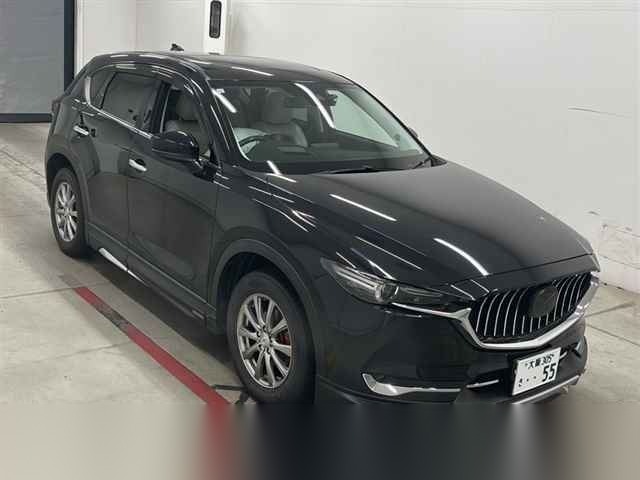
A useful illustration of the spec Caribbean buyers ask for is in stock now: a 2017 Mazda CX-5 Push Start XD L Package — 2,200 cc diesel, automatic transmission, four-wheel drive, five seats, right-hand steering, showing 129,837 km. That mix of the frugal 2.2 diesel, AWD, the higher L Package trim and push-button start is well suited to island roads and hills. With that mileage, the checks above matter most: service history, DPF and EGR condition, and underbody rust.
Bottom line
A Japanese used Mazda CX-5 is a genuinely practical import for right-hand-drive Caribbean markets, particularly in XD diesel form. Buy on documentation and mechanical condition rather than cosmetics, budget the true landed cost instead of the sticker price, and a well-chosen CX-5 will serve you for years.
See it in stock: 2017 Mazda Cx-5 Push Start Xd-l Package — live price, full photos and auction sheet. Browse all Mazda cars.