Buying a Used BMW 1 Series from Japan: What to Check Before You Import
The BMW 1 Series is one of the most affordable ways into premium German motoring, and Japan is one of the best places to find a clean one. Japanese owners tend to keep mileage low, service on schedule and keep dealer records. That combination is exactly why a Japanese used BMW 1 has become such a popular import across Jamaica and the wider Caribbean.
If you are hunting for a used BMW 1 for sale, this guide covers the trims you will actually see, what to inspect, running costs, and how a BMW 1 import from Japan reaches your island.
Why Japanese Used BMW 1 Models Hold Up Well
Japan has a strict periodic inspection system (shaken), generally good roads and low average annual mileage. Cars are usually graded at auction, and the auction sheet records mileage, damage and repair notes. Rust is a real concern only for cars that spent their lives in snowy northern regions where roads are salted, so always ask where the car was registered.
Keep in mind that Japanese-market cars are right-hand drive, which suits Jamaica, Trinidad, Barbados, St Lucia and most other Caribbean islands that drive on the left.
Common Trims You Will See
- 116i - the entry model. Early cars used a 1.6-litre four-cylinder turbo; later ones use a 1.5-litre three-cylinder turbo.
- 118i - the volume seller. In the F20/F21 generation and the later F40, this is a 1.5-litre turbo petrol making roughly 136 to 140 hp, paired with an automatic.
- 120i - a 2.0-litre four-cylinder turbo with noticeably more punch.
- M135i / M140i - six-cylinder performance flagships. Quick, thirsty and pricier to maintain.
- Diesel variants (116d, 118d) - rare in Japan, and not always the best match for local fuel quality.
Trim badges also include Sport Line, Urban Line and M Sport, which change bumpers, seats, wheels and sometimes suspension. On Japanese listings you will often see Push Start mentioned - that simply means keyless push-button ignition, not a special model.
Generations matter: the F20/F21 is rear-wheel drive, while the F40 introduced in 2019 is front-wheel drive. Confirm the chassis code before you buy.
What to Check Before You Buy
Auction sheet and grade. Read the notes, not just the letter grade. Look for repaired or accident markers.
Mileage consistency. Cross-check the auction sheet, service stickers and any dealer records.
Engine behaviour. These are small turbo engines. Listen for timing chain rattle on cold start, check for blue smoke, and ask about oil consumption.
Direct injection. Carbon build-up on intake valves is normal over time and may need cleaning.
Transmission. A test drive should show smooth, decisive shifts with no shuddering.
Cooling system. Water pumps and thermostats are known wear items on BMW turbo engines.
Electronics and air conditioning. Caribbean heat is brutal on compressors, blowers and batteries. Test the AC at idle and while driving.
Tyres and brakes. Run-flat tyres are common and cost more than standard tyres. Check date codes.
Running Costs to Budget For
A 1.5-litre turbo petrol 1 Series is reasonably economical for a premium car, but premium running costs remain. Plan for:
- Full synthetic oil services roughly every 10,000 to 15,000 km, plus filters.
- The highest-octane petrol readily available; turbo engines prefer it, and Japanese fuel specs do not always match local pumps.
- Genuine or quality OEM parts, which cost more than Japanese-brand equivalents.
- Common repairs: ignition coils, valve cover gaskets, cooling components, suspension bushings on rough roads, and battery replacement on start-stop cars.
- Insurance, licensing and road fitness costs, which vary by island.
How BMW 1 Import from Japan to Jamaica and the Caribbean Works
Most buyers purchase through a Japanese auction or exporter. You agree a price in yen (usually FOB Japan), then the exporter arranges shipping, typically RoRo or in a container, with an export certificate, invoice and bill of lading.
In Jamaica, right-hand drive is required. Duties are calculated on the CIF value (cost, insurance, freight) and typically include import duty, Special Consumption Tax based on engine size and value, GCT, an environmental levy and customs user fees, with a depreciation allowance applied to older used vehicles. A licensed customs broker handles the entry, then the Island Traffic Authority deals with examination, fitness and registration. Rates and age rules change, so verify current figures with Jamaica Customs and a broker before committing.
Other Caribbean markets each run their own duty structures and age limits. Most are right-hand-drive markets, but rules differ, so check before you buy - not after.
The 2019 BMW 118i Push Start Currently in Stock
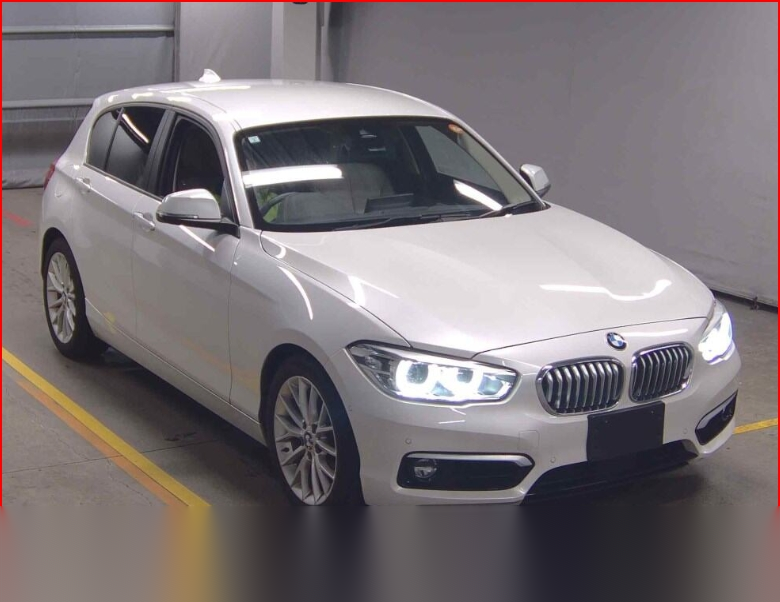
A good illustration of what a sensible Japanese import looks like is this 2019 BMW 1 Series Push Start 118i, currently listed with GULJI TRADERS:
- Engine: 1,490 cc petrol (gasoline)
- Transmission: automatic
- Mileage: 90,767 km
- Seats: 5
- Steering: right-hand drive
- Keyless push-button start
It is a right-hand-drive, automatic, five-seat hatchback in the 1.5-litre class - a sensible size for island roads and a straightforward match for Jamaica and other RHD Caribbean markets.
Bottom Line
A Japanese used BMW 1 can be an excellent value buy if you check the chassis code, auction sheet, engine health and cooling system before purchase, and if you understand the duty structure on your island. Do the homework first, and the car will reward you.
See it in stock: 2019 Bmw 1 Series Push Start 118 I — live price, full photos and auction sheet. Browse all Bmw cars.